ABOUT US
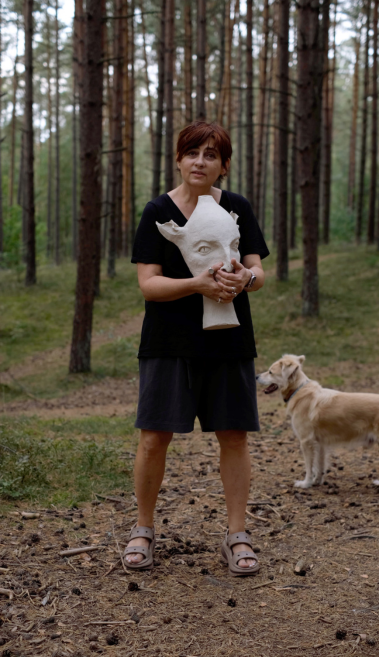
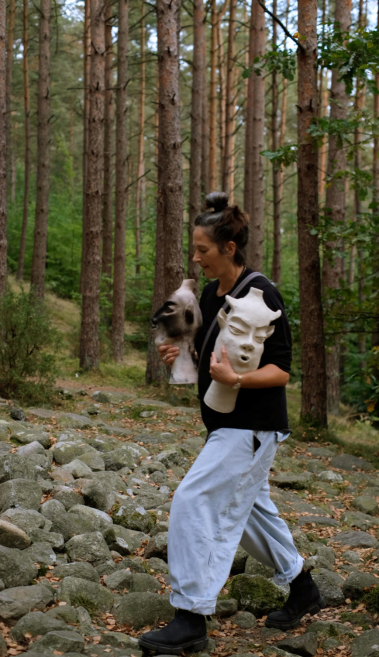
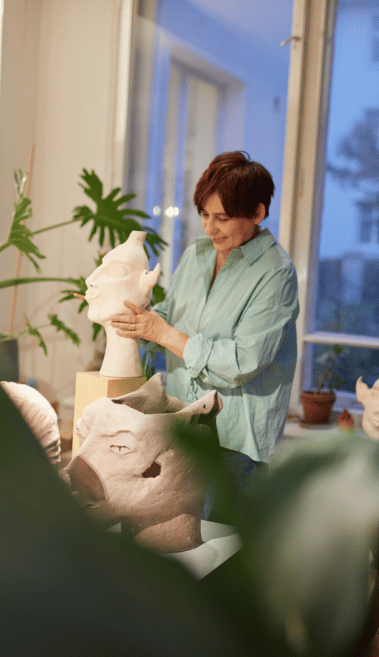
Maria and Anna are two designers who have worked together for years, striving
to bring art into everyday, functional contexts. They work across architecture and design, painting, ceramics, and sculpture. Maria studied Product Design and Painting at the Academy of Fine Arts in Gdańsk, while Anna studied Painting in Toruń. They regularly channel their different temperaments and wide range of interests into a host of artistic–activist projects.
Since 2015, they have been working together in a design-and-architecture studio that has become
their shared workshop for both design and production. Their ceramic head sculptures also inspire work in performance art, Earth Art, and video art.
The Sudiczki project created opportunities to collaborate with artists from the fields of music and film and also enabled them to work with director Lesław Dobrucki
to document their artistic activities on film. This
aspect of their work allows them to cultivate and reinterpret local cultural heritage.
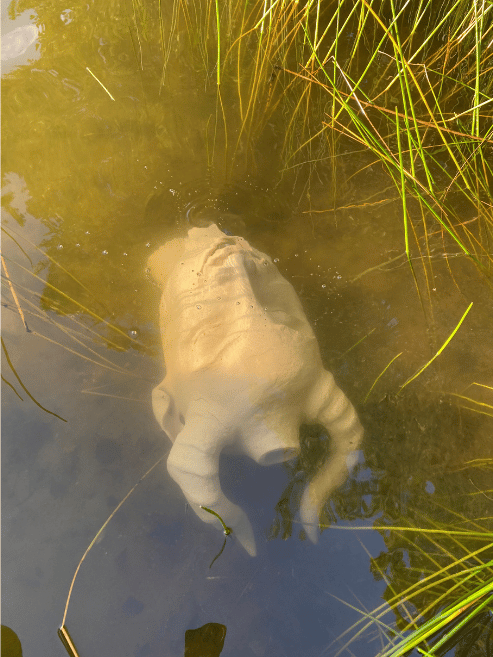
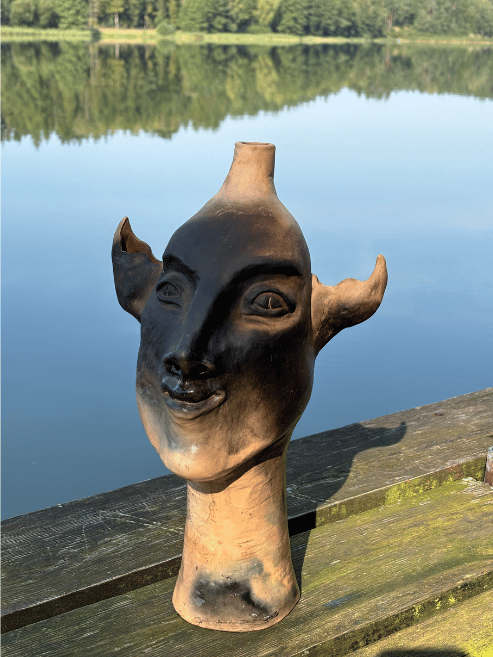
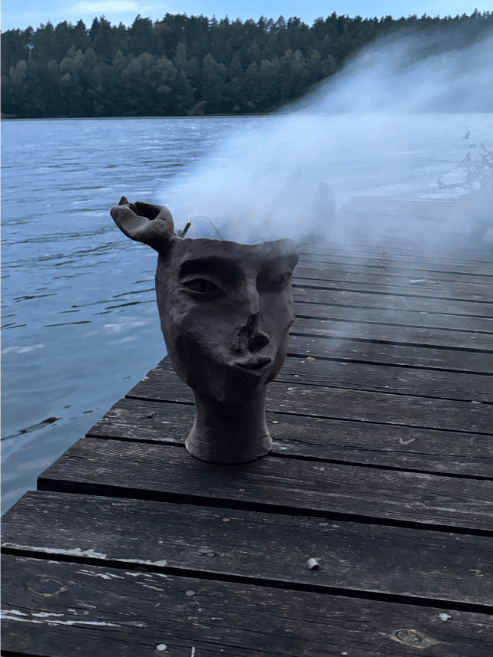
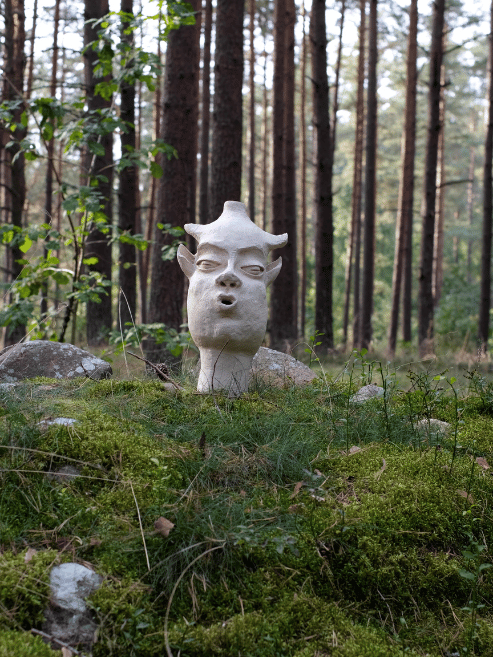
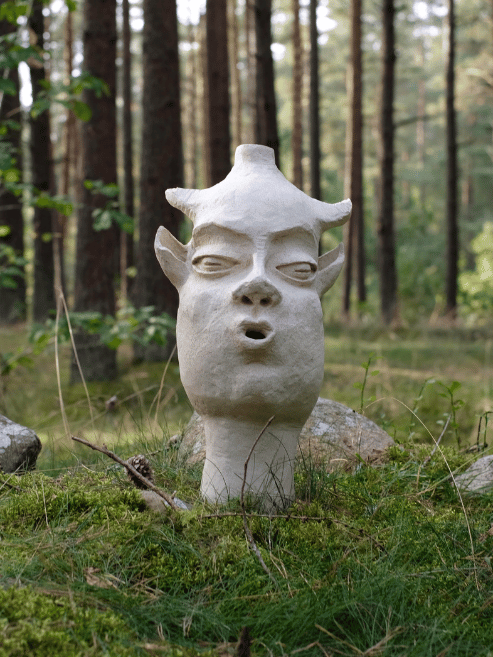
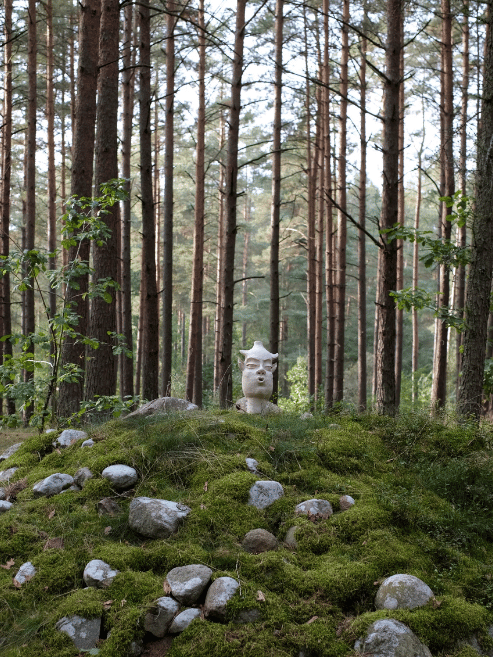
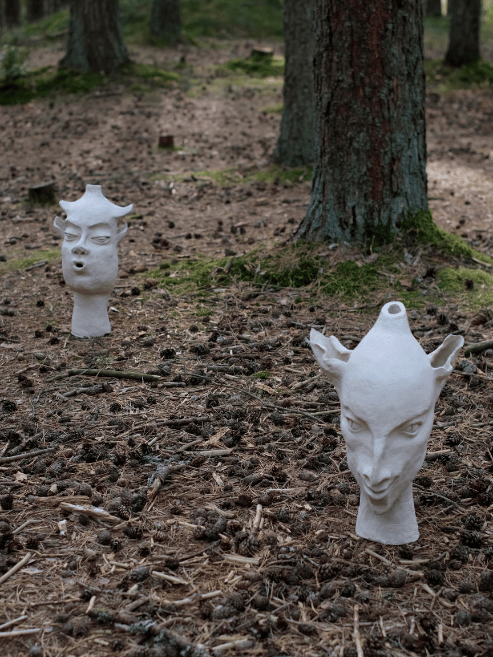
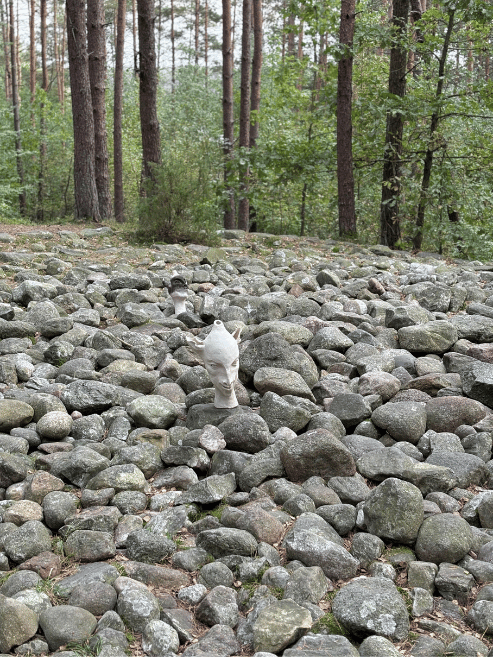
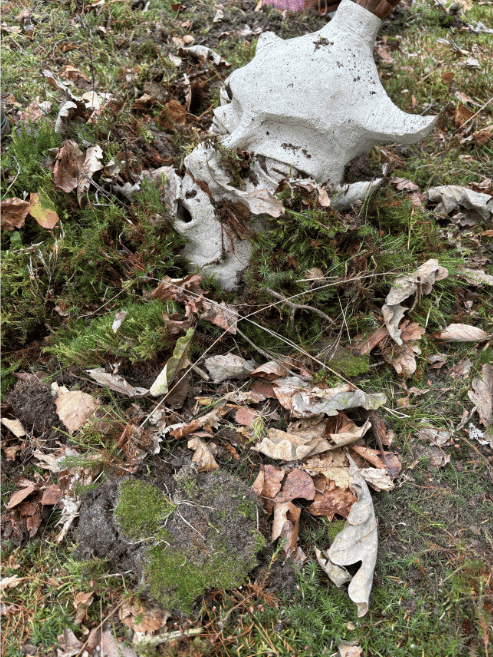
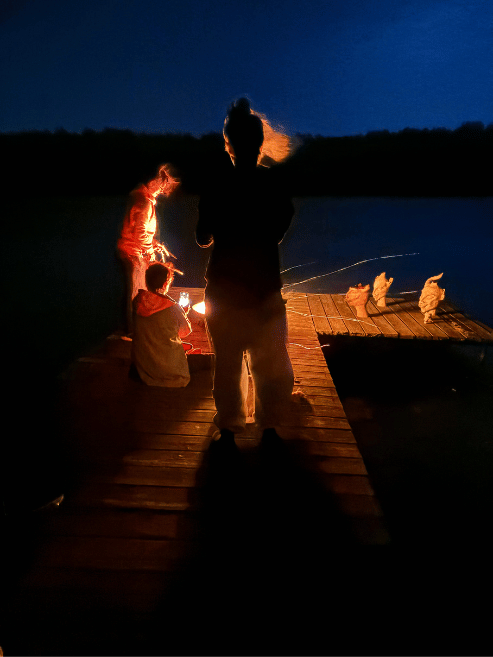
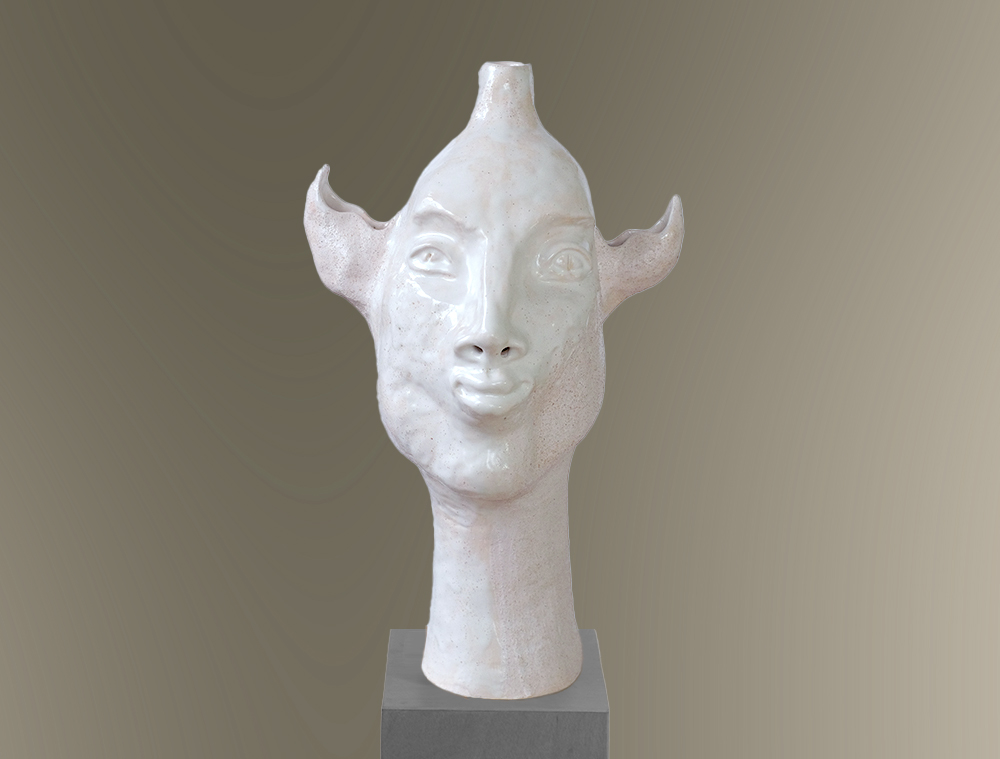
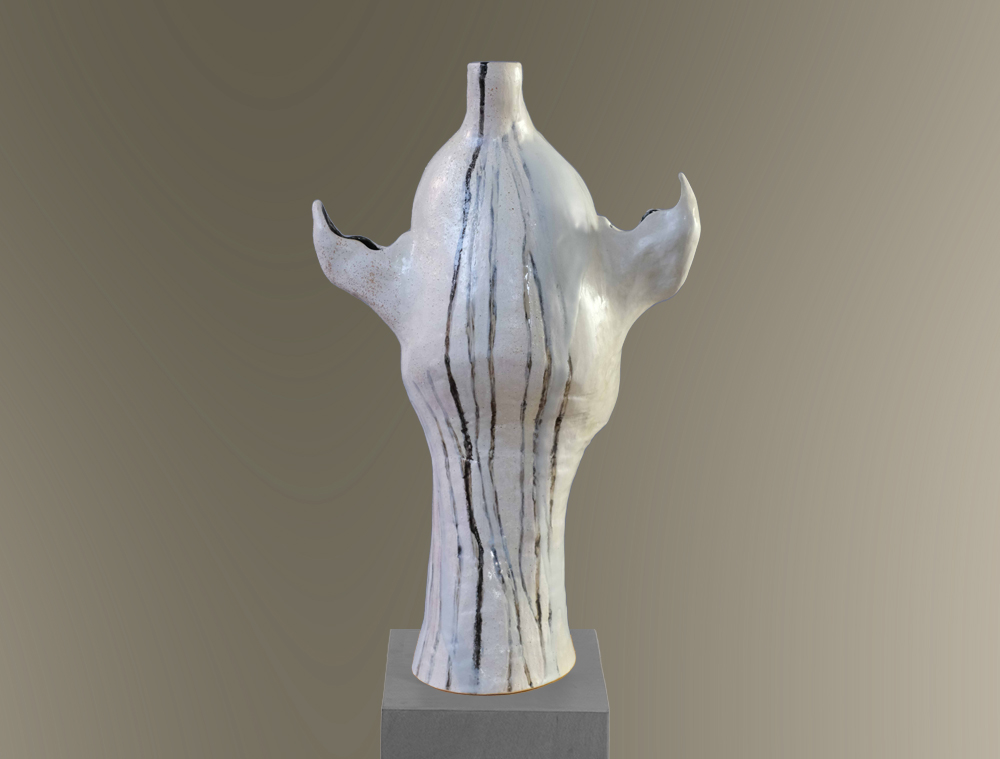
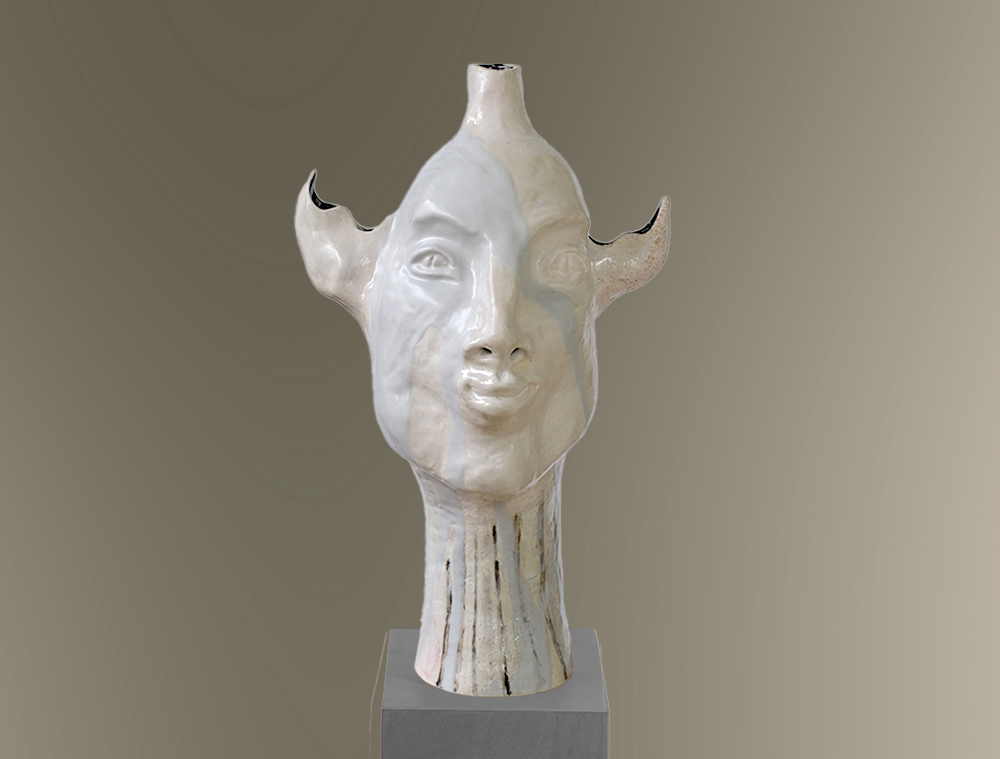
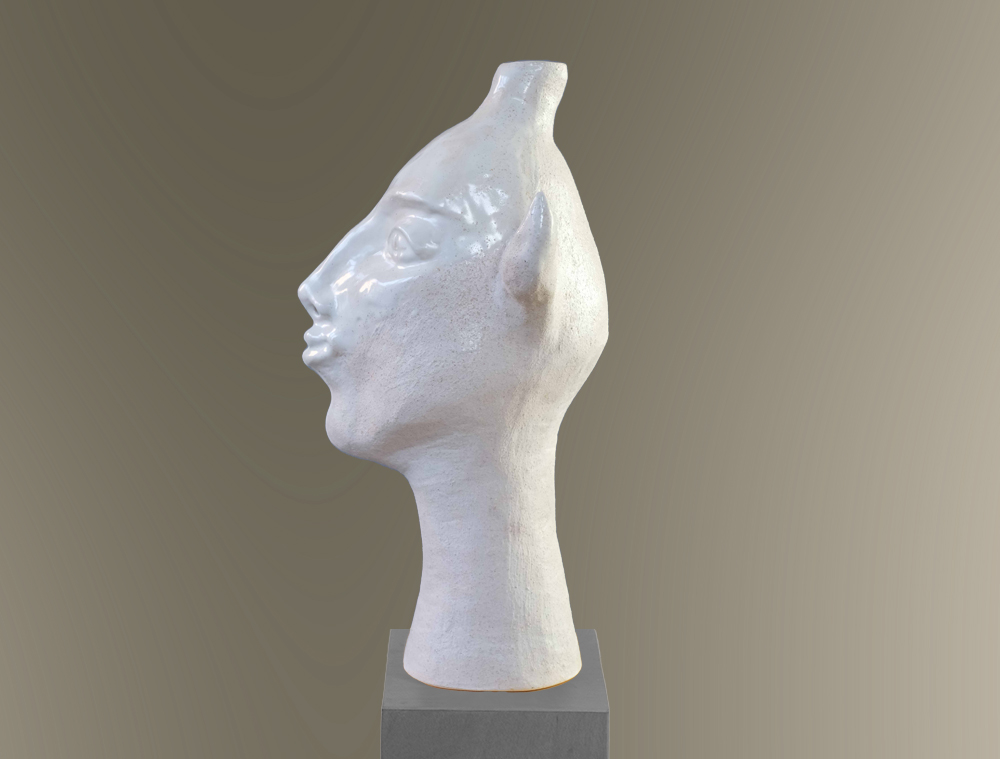
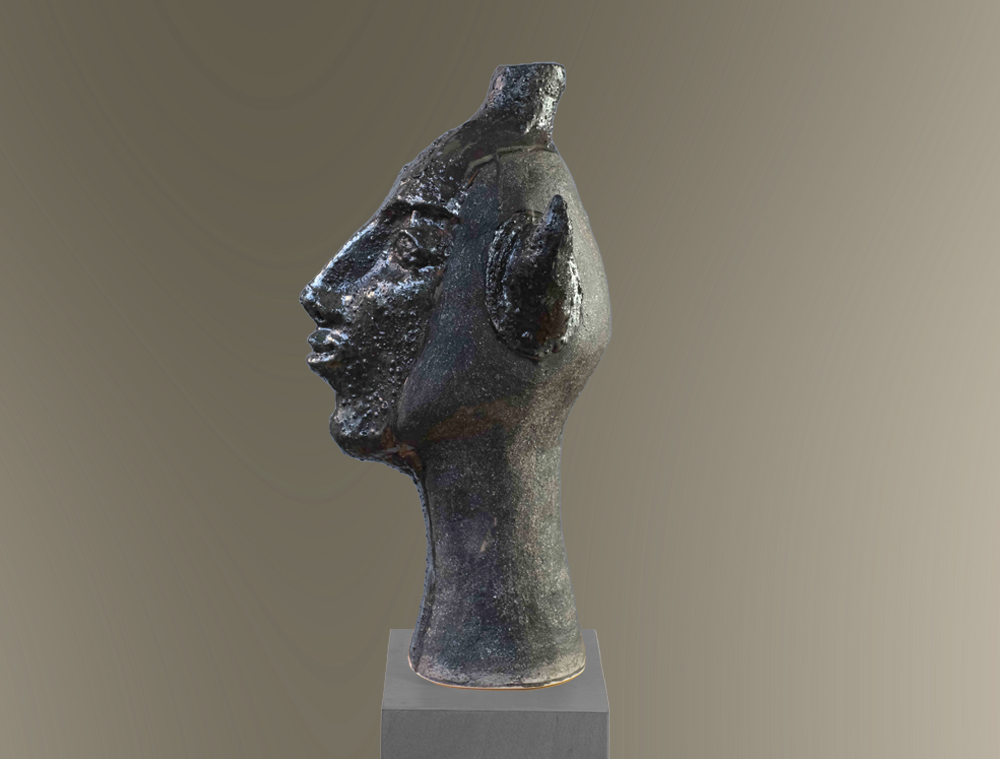
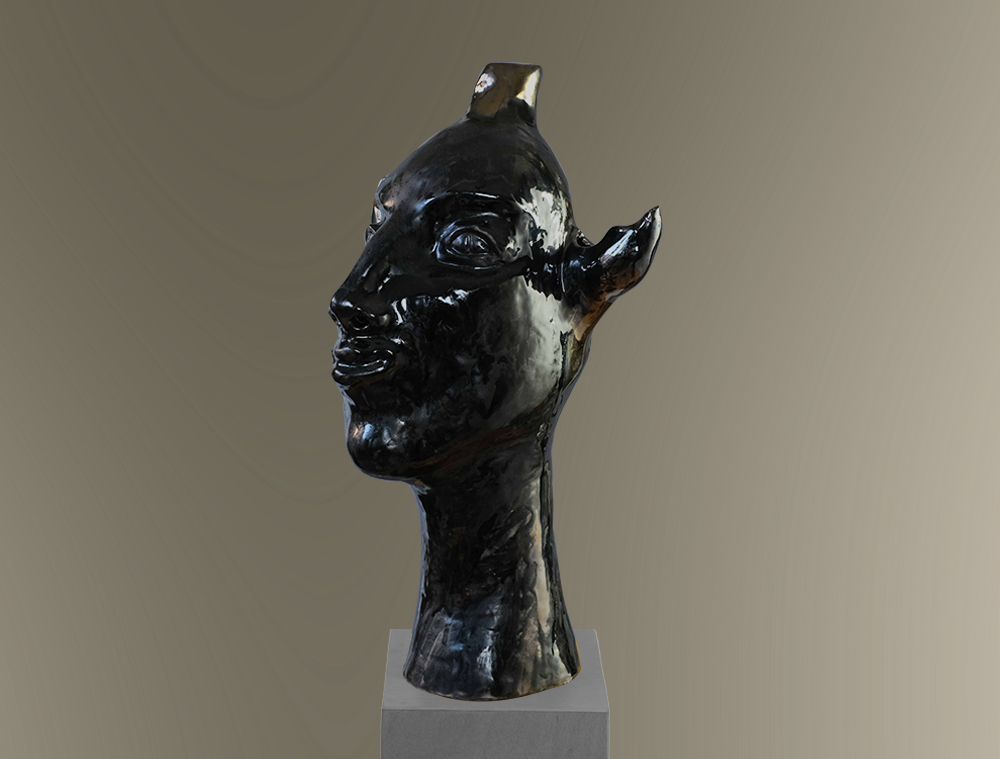
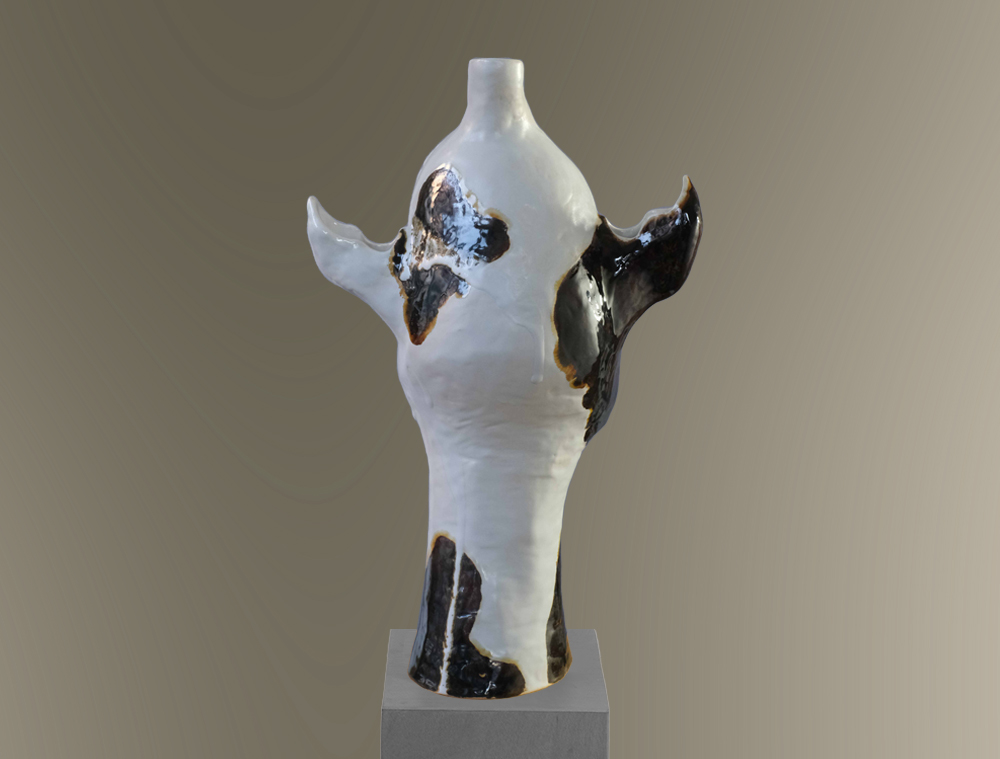
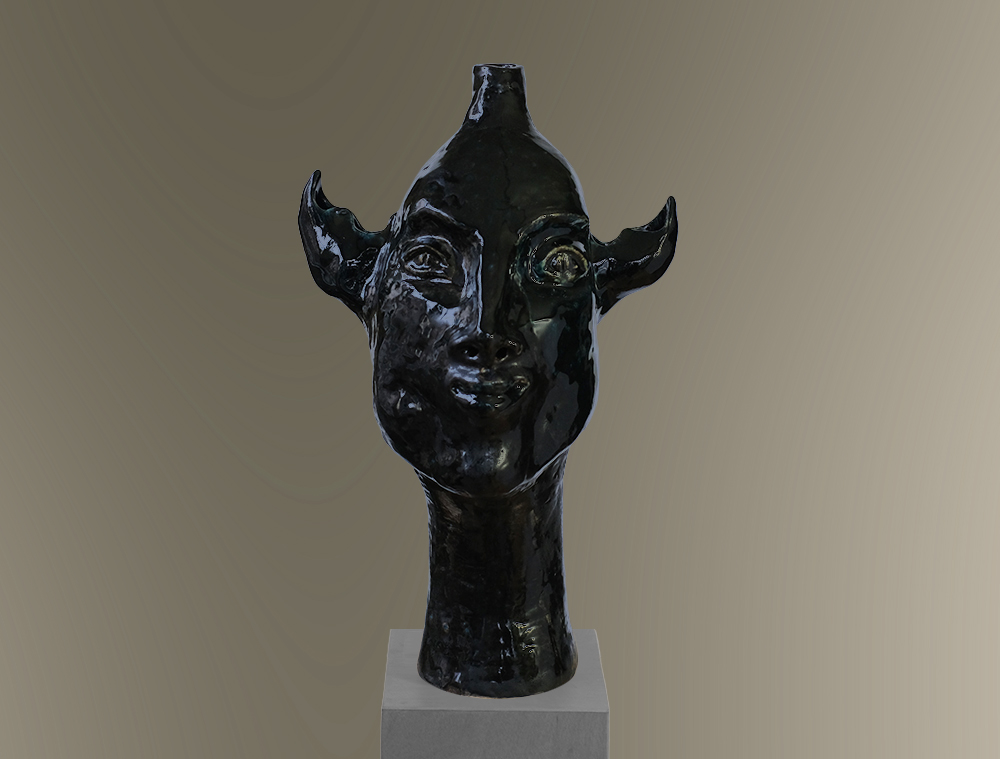
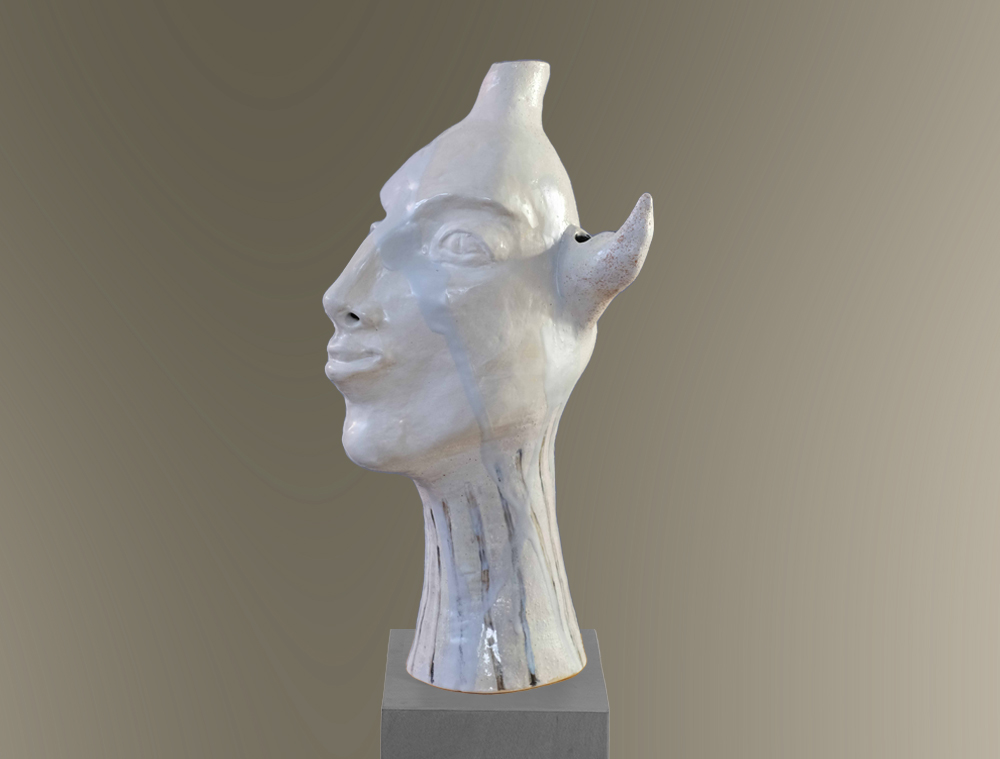
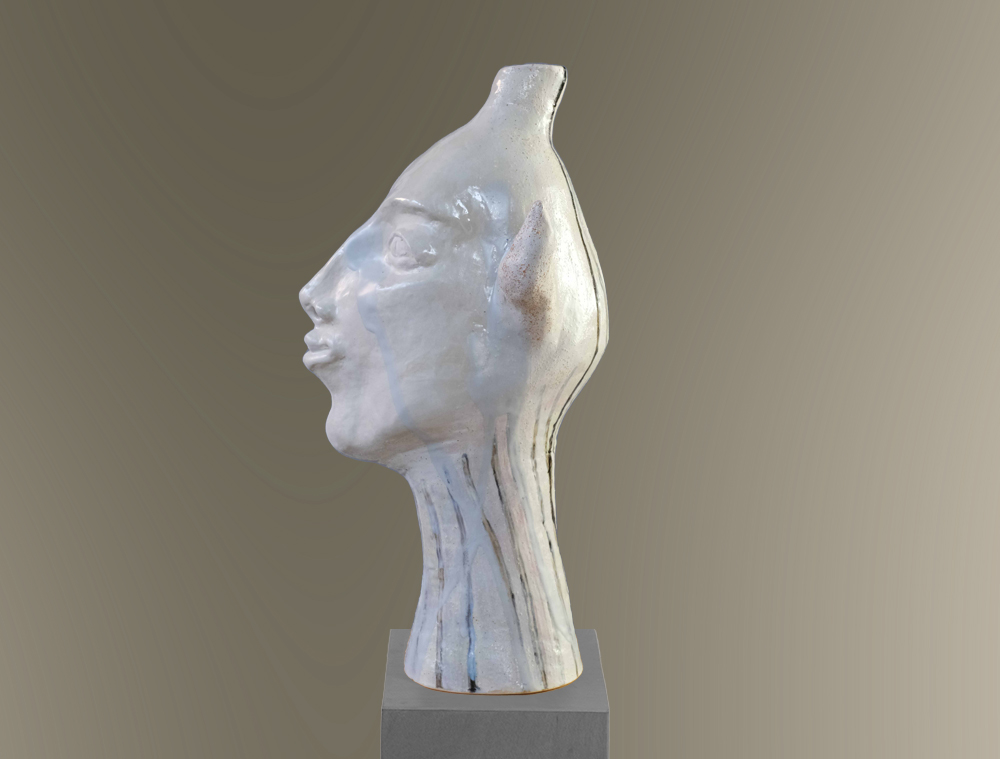
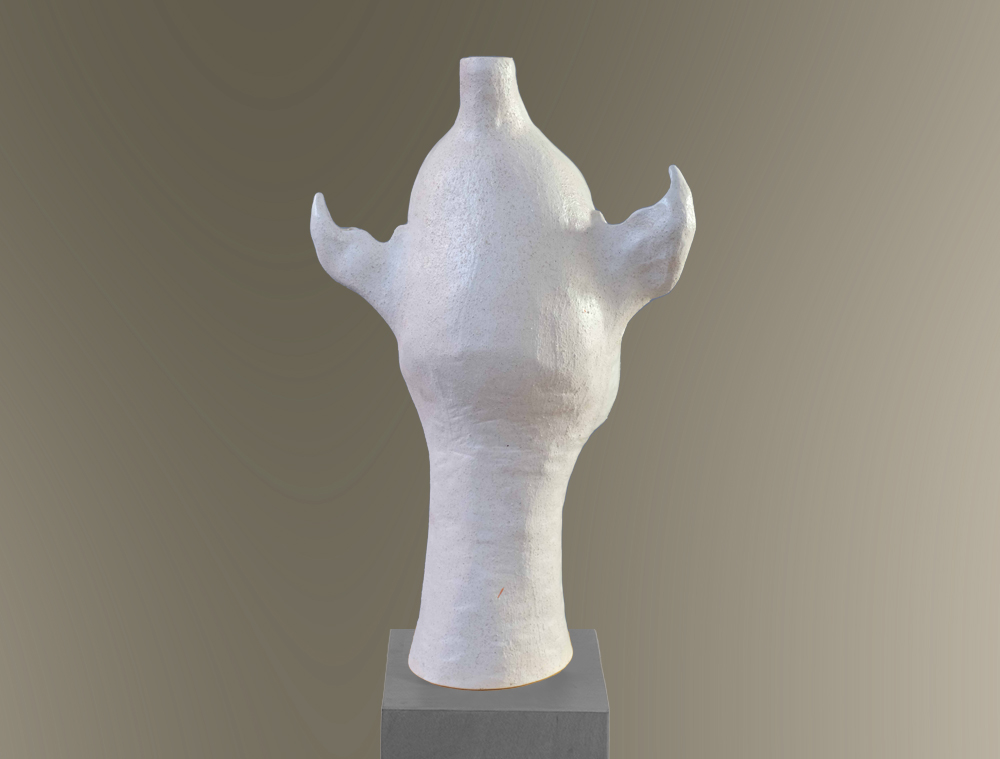
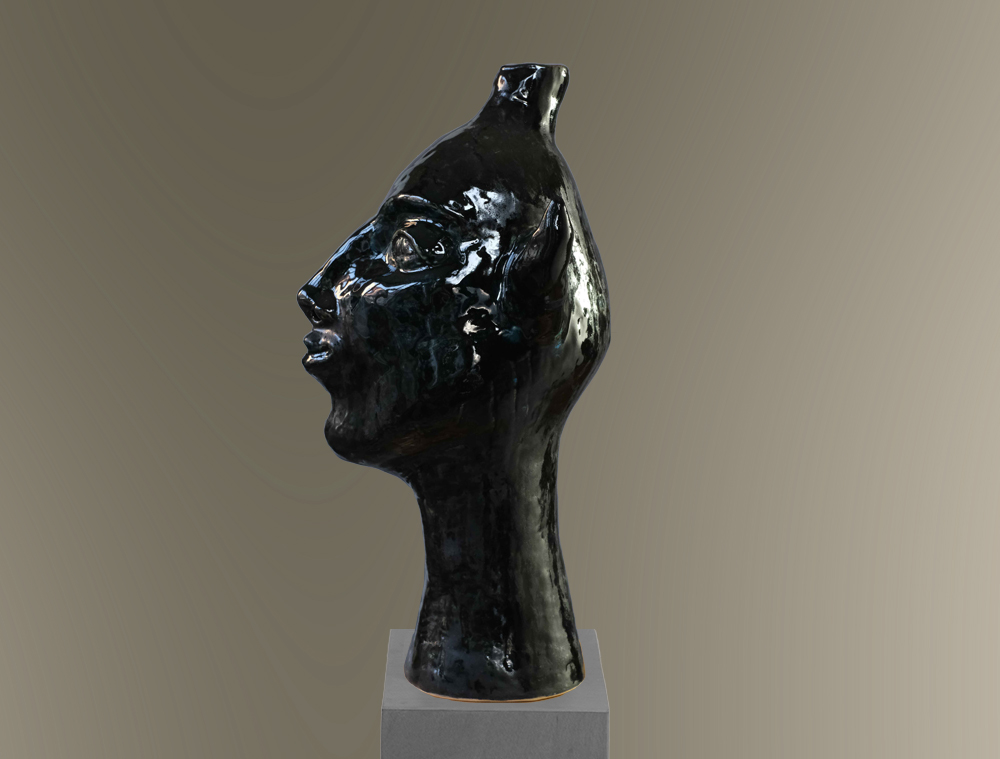
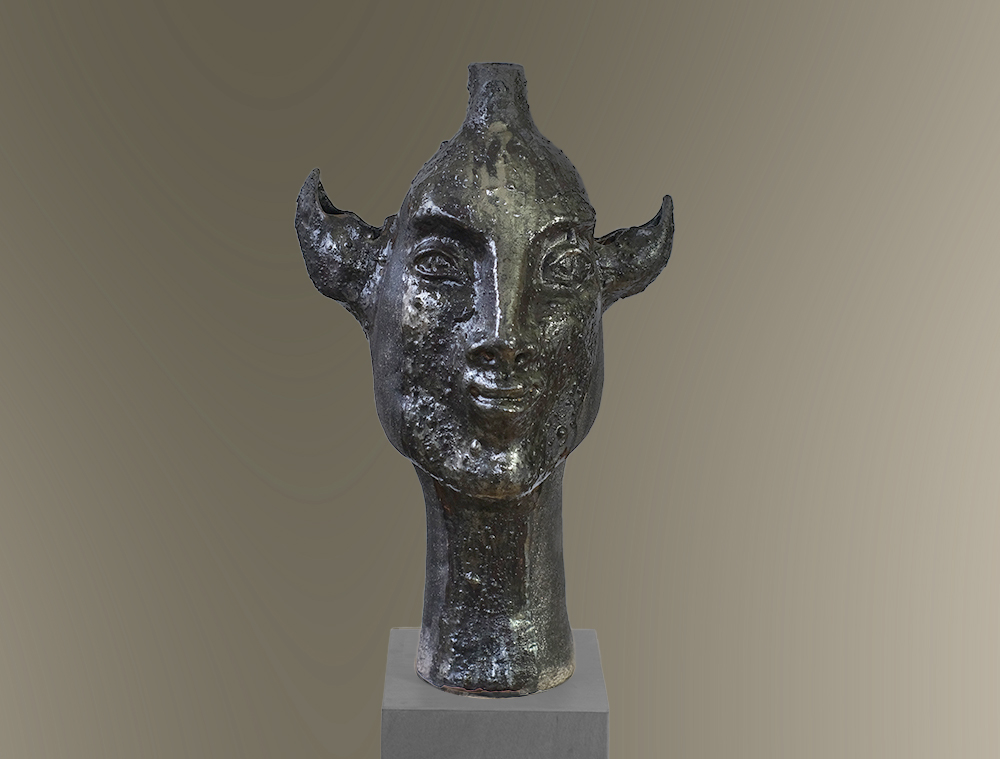
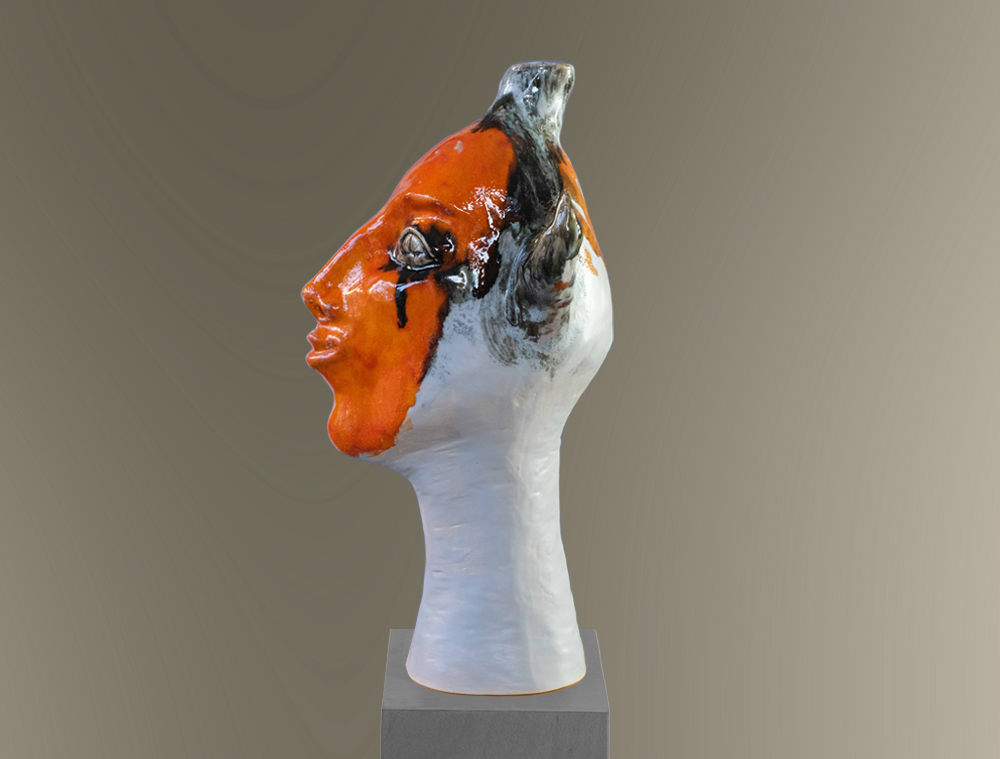
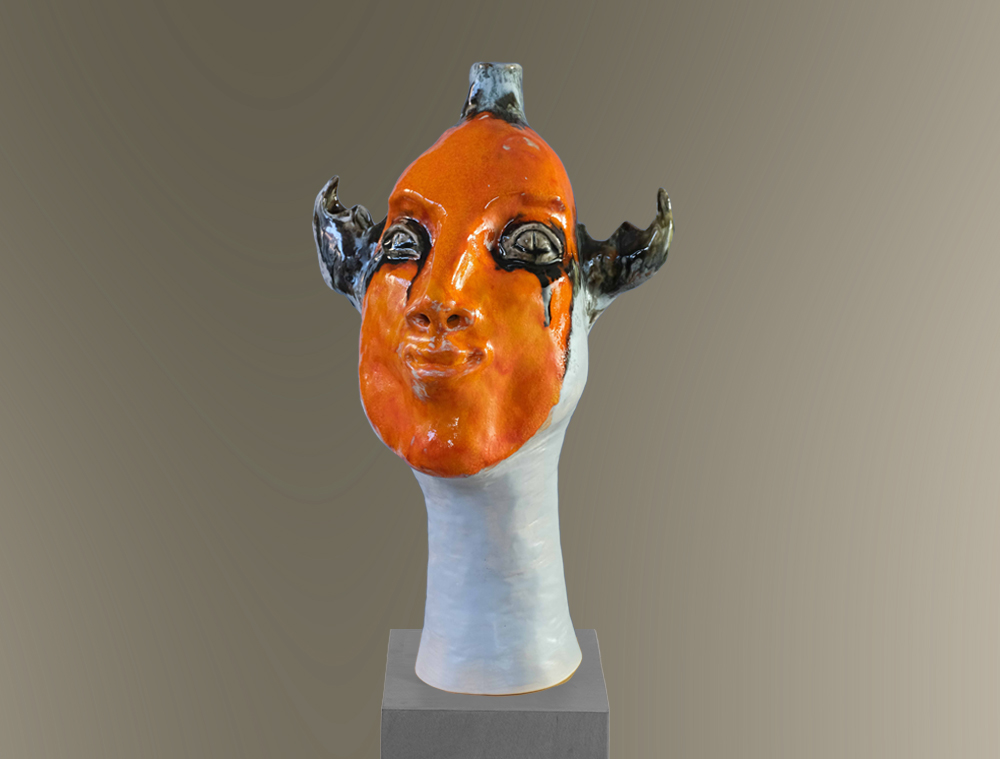
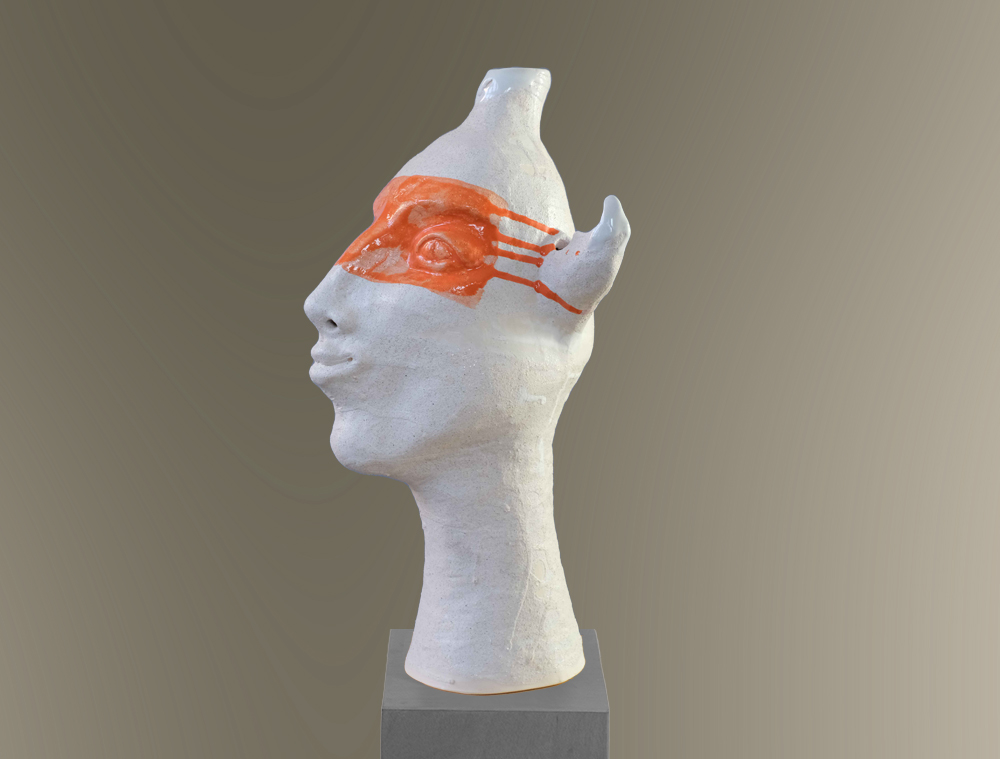
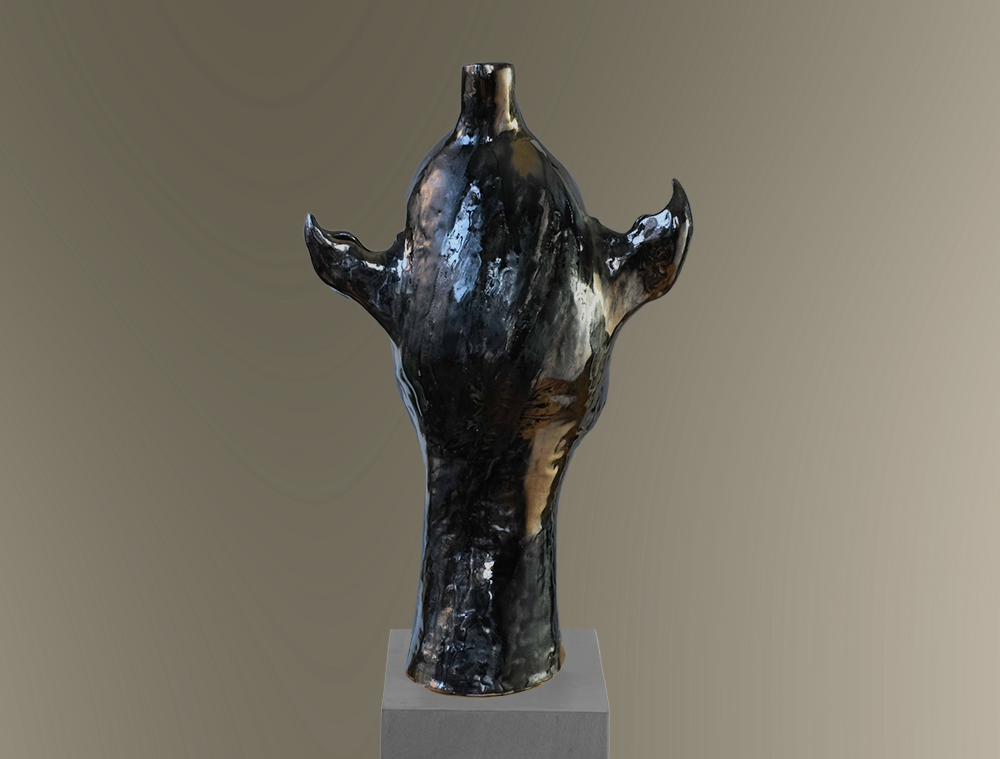
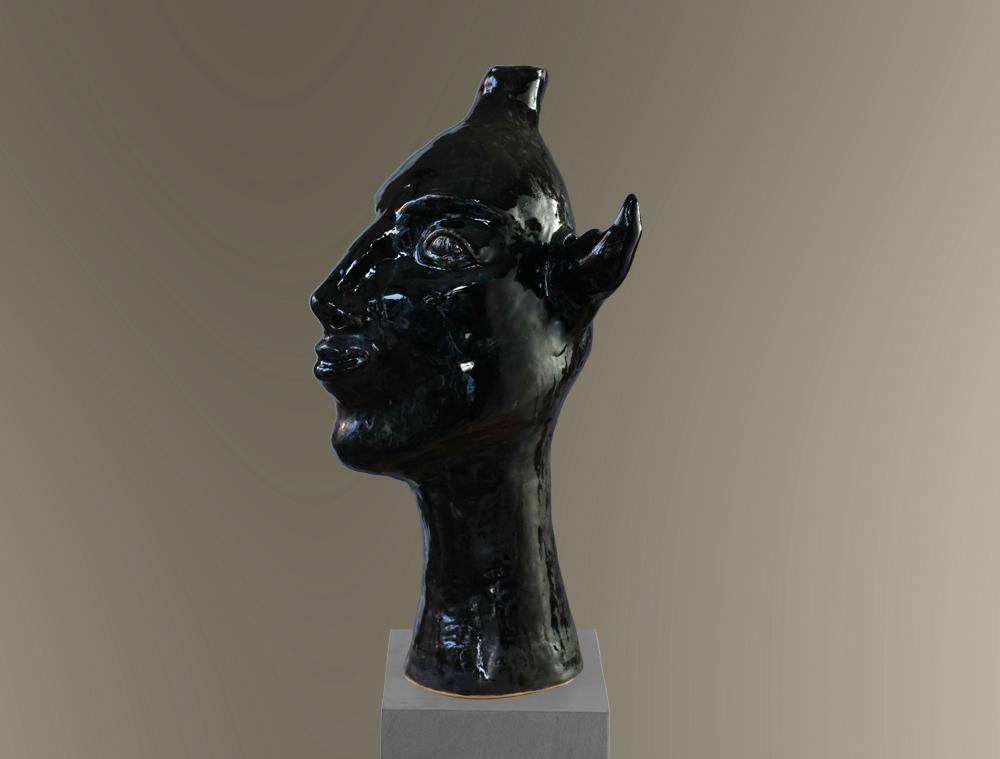
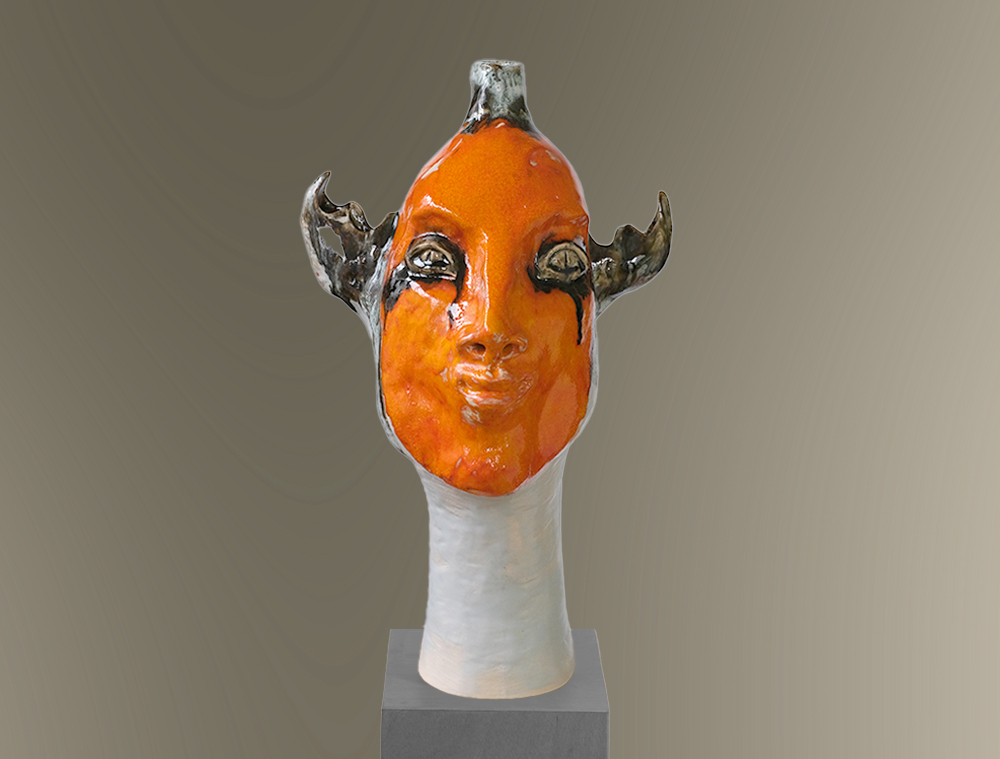
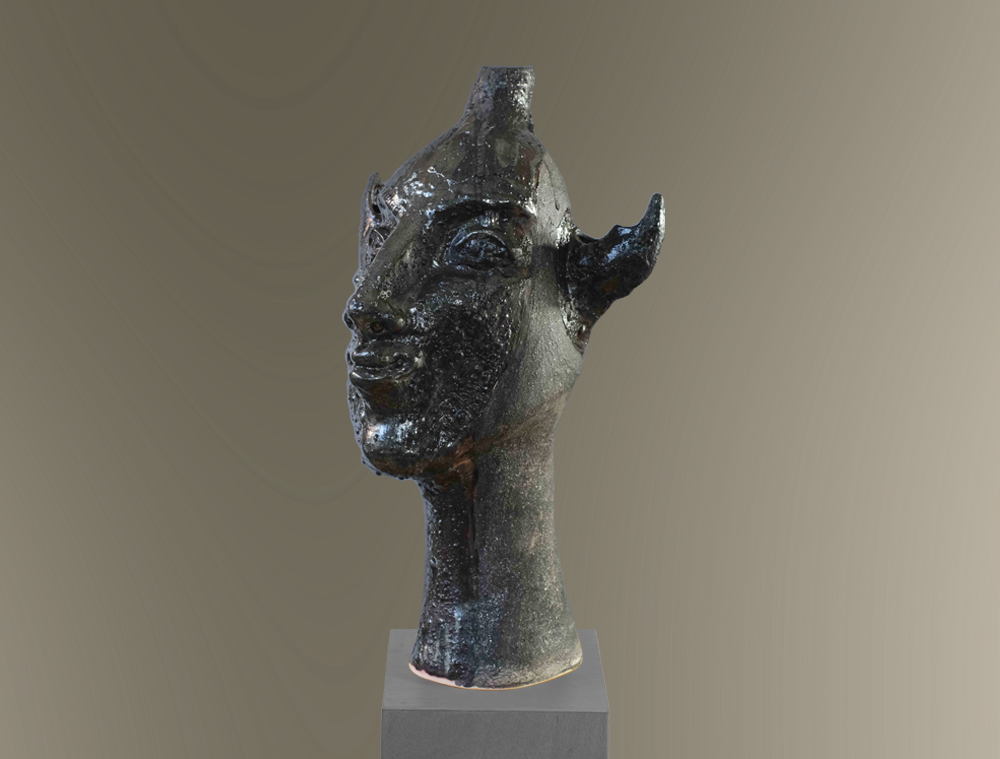
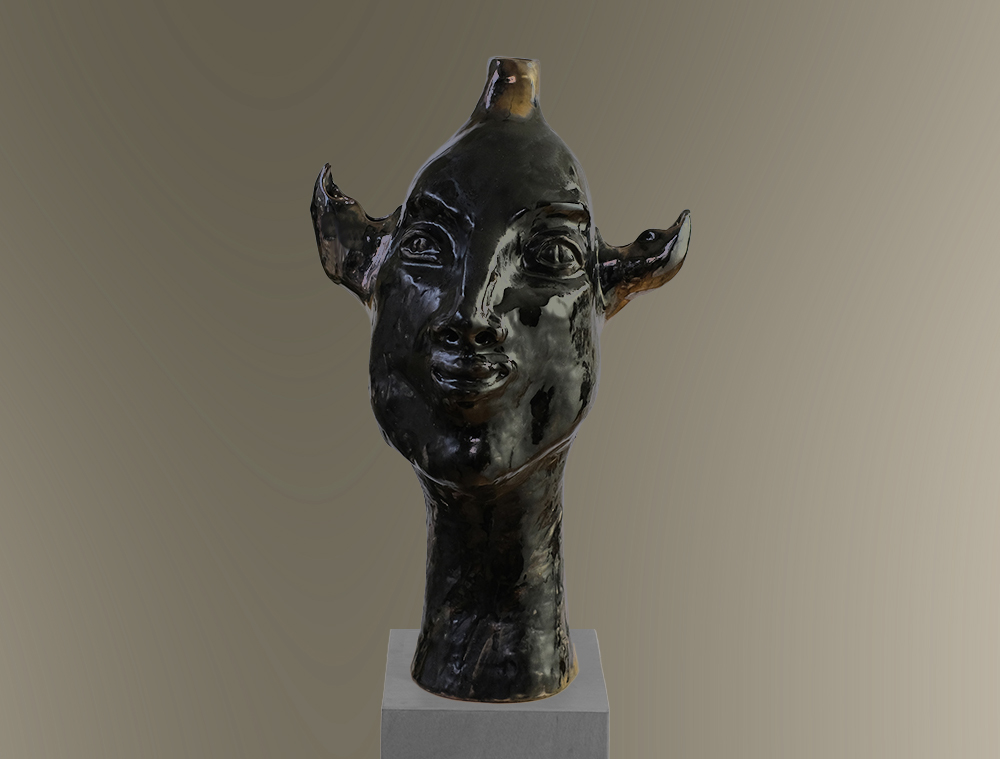
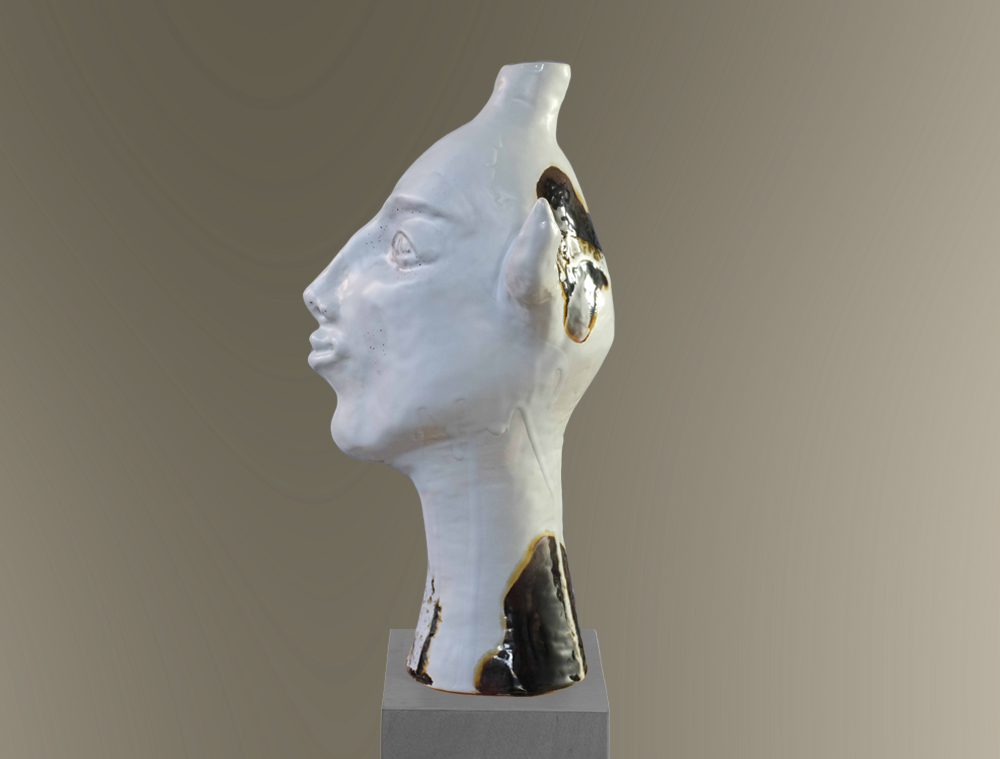
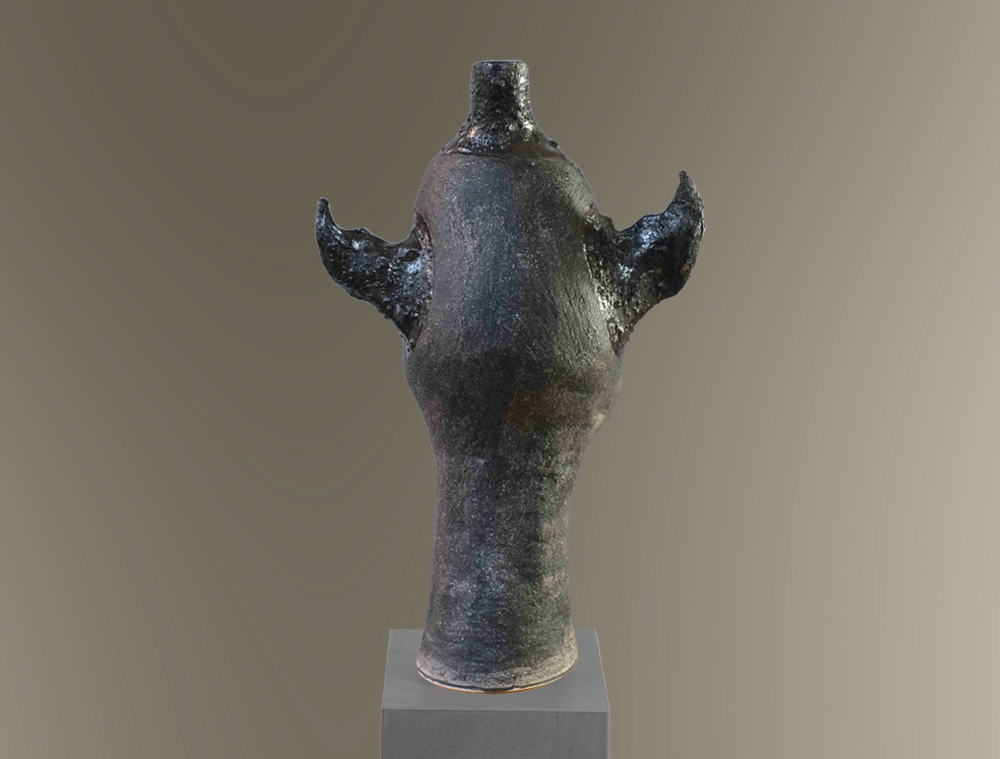
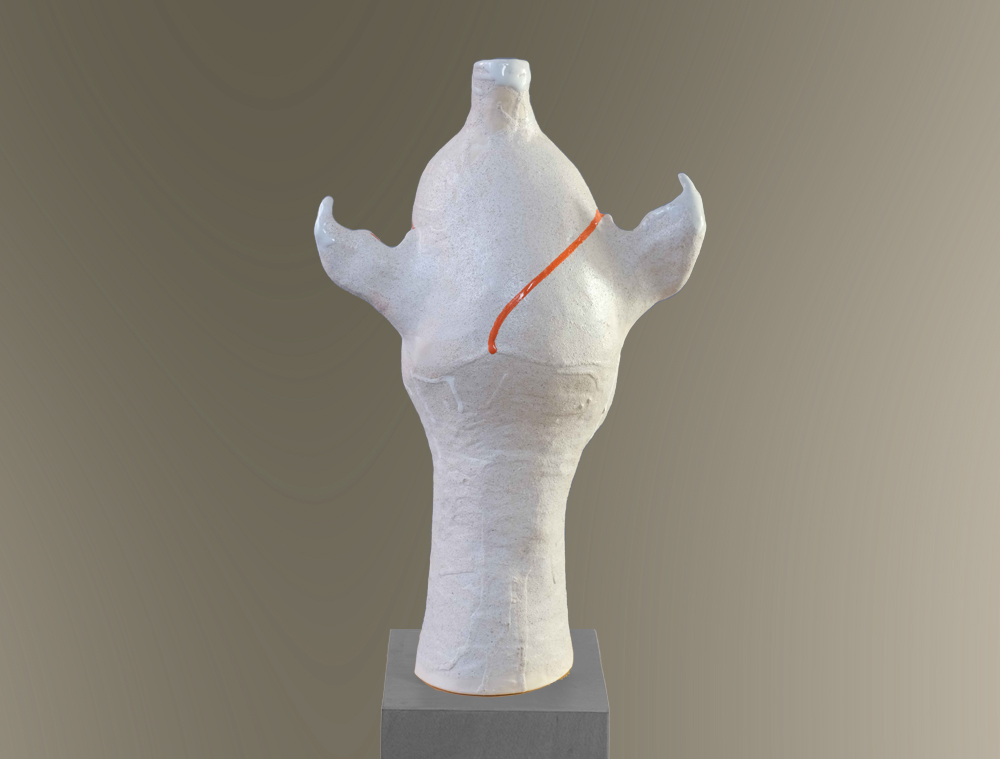
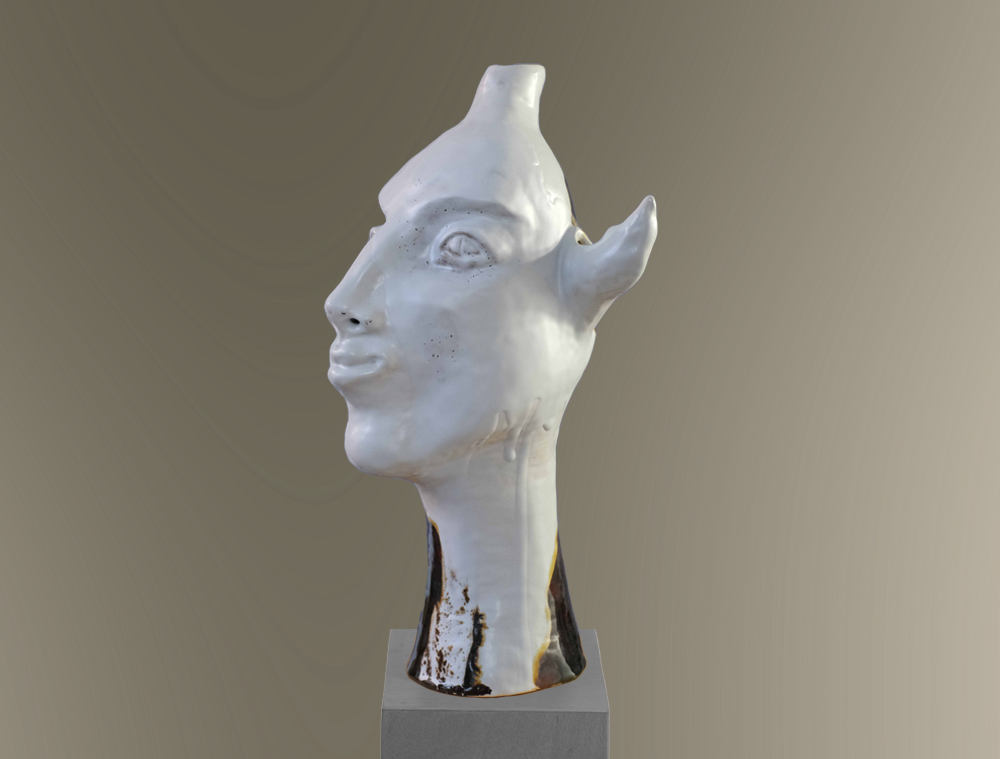
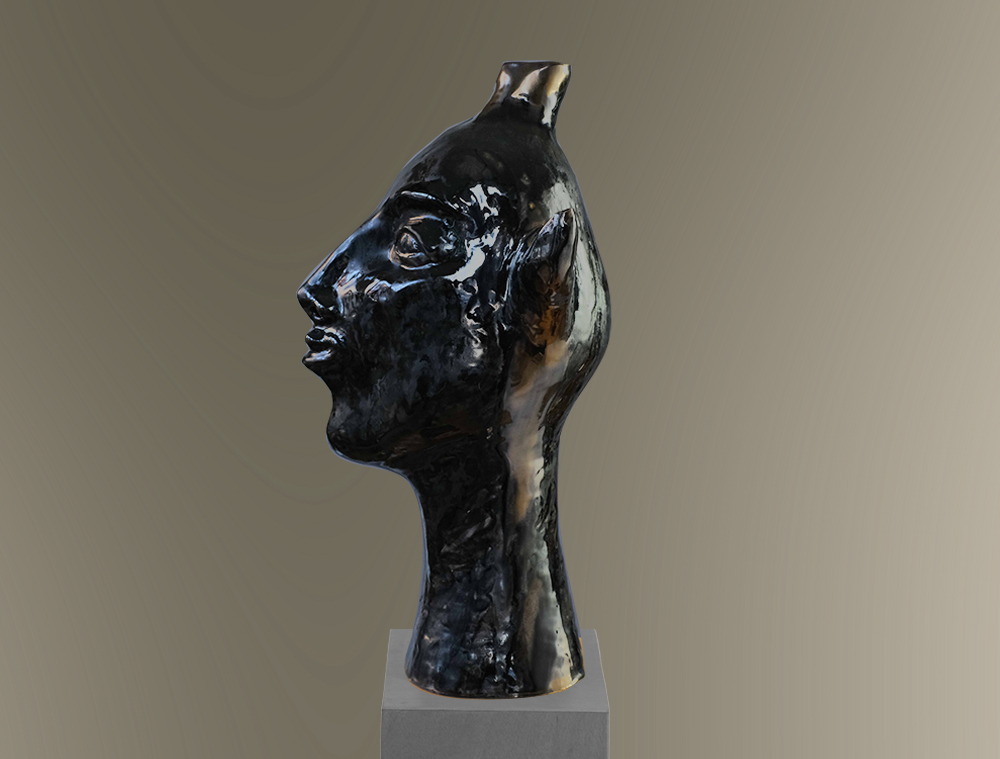
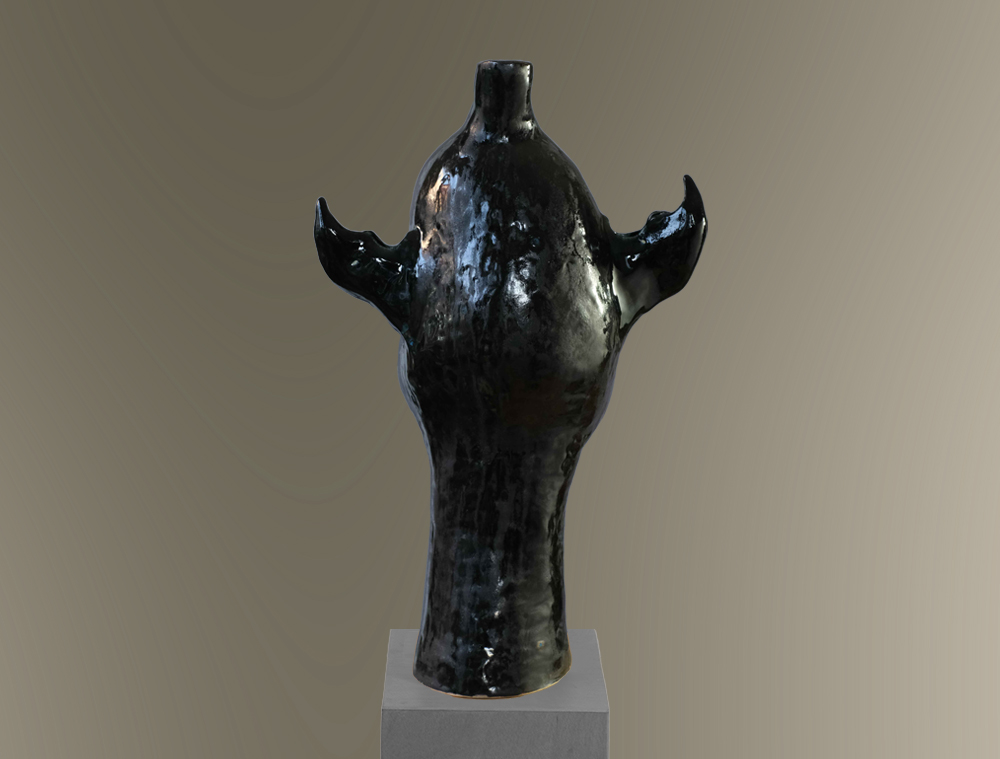
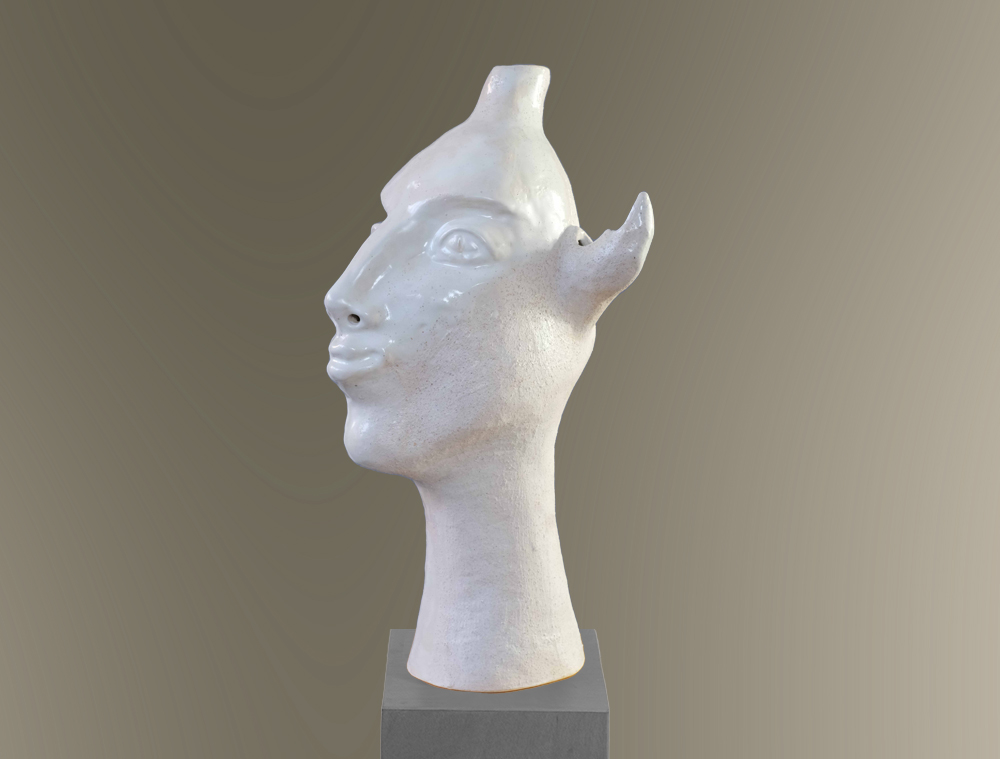
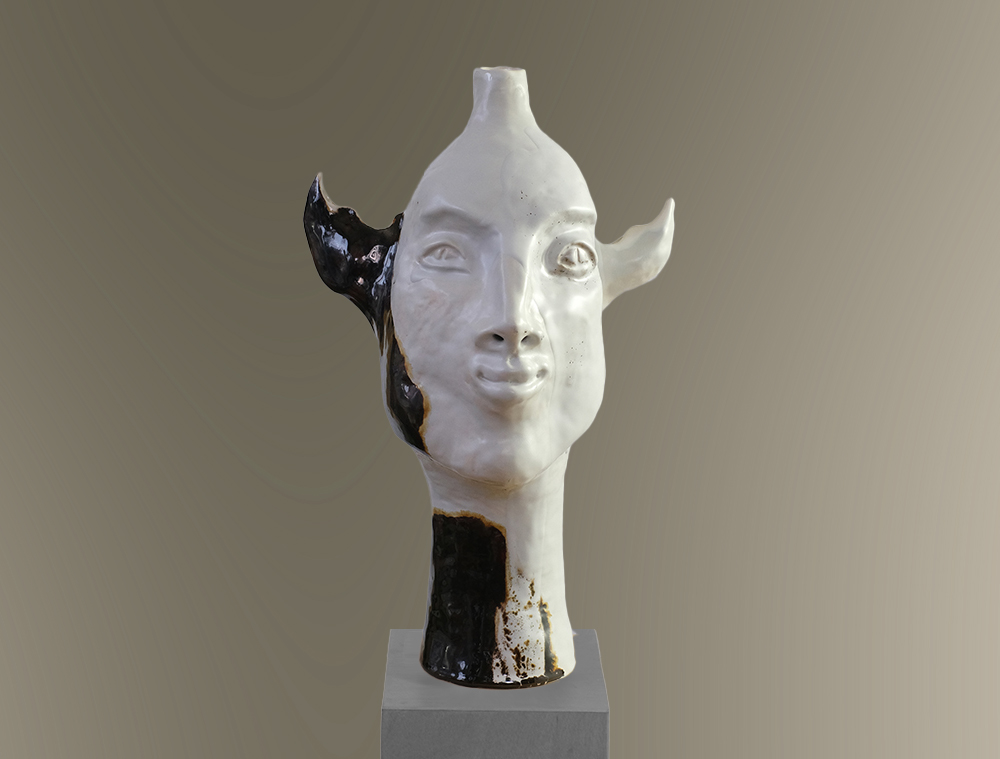
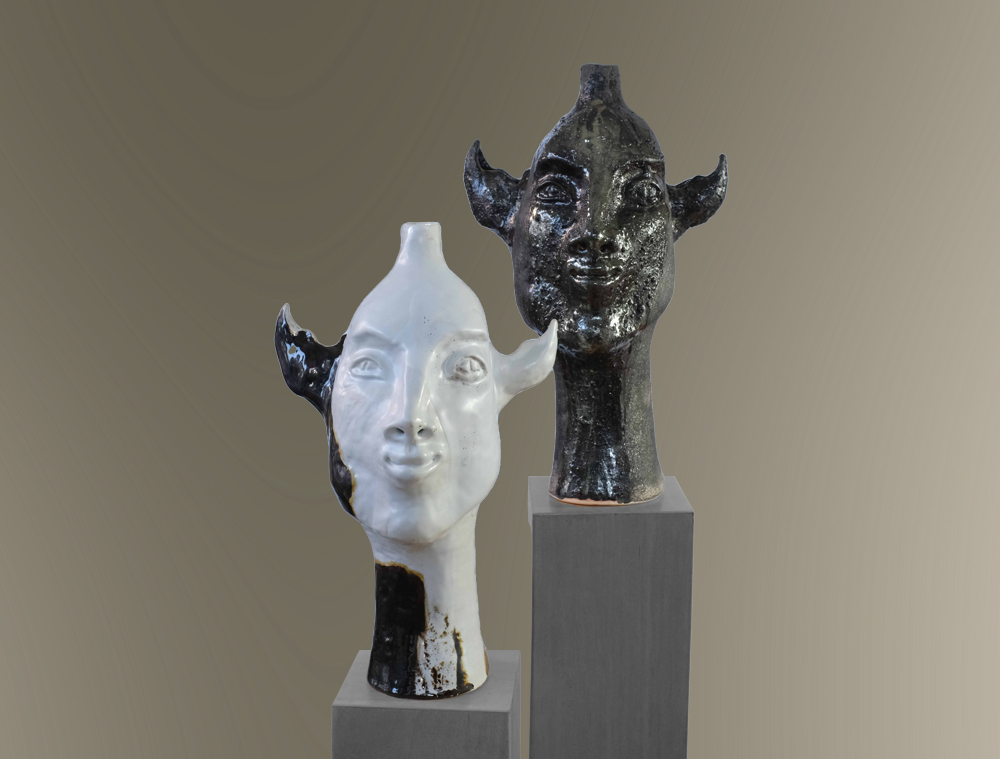
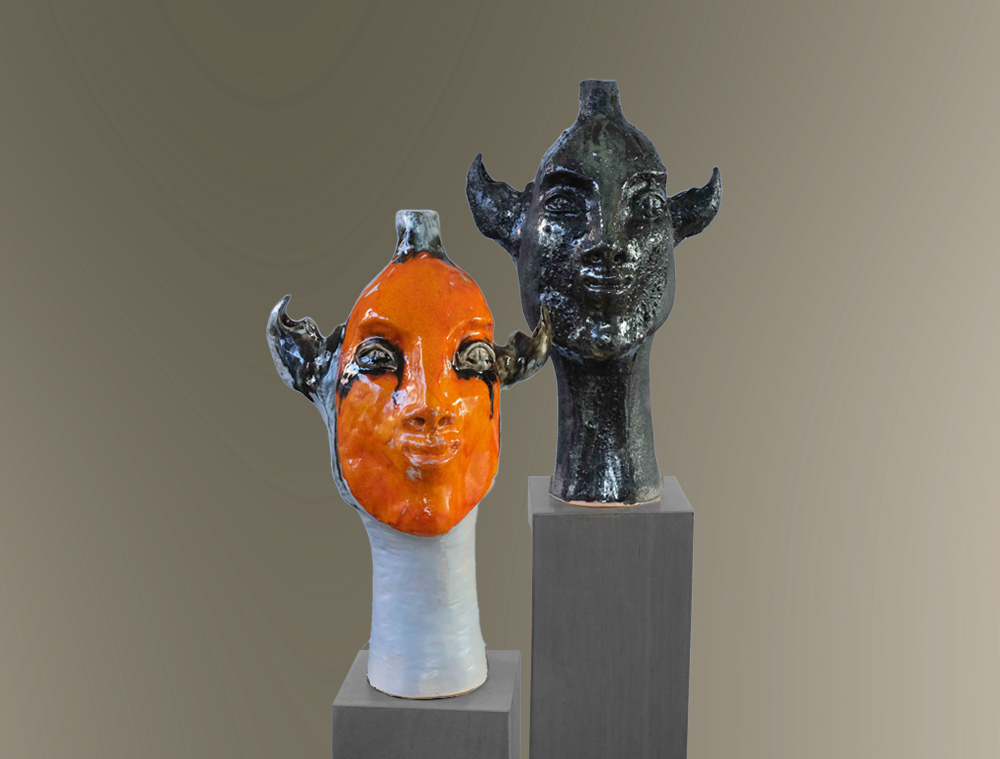
The ceramic sculptures presented in the catalog were created from the heart and are among the first works of the Artistic Collective Sudiczki. The first head in the Sudiczki family came about spontaneously in 2020. It was inspired by the sight of abandoned clay dishes and pitchers on a bridge over the lake and by the sounds emanating from them—tones shaped by wind and rain that eerily resembled whistles and hoots. Since they seemed to be calling out, the heads were given personalities, names, and facial expressions—a personification of the forest’s call to reconnect with one’s inner nature. The names of the forms also stem from associations with the sounds of nature and emotions intertwined during careful observation throughout the creative process. Since the creation of the first ceramic head, the Sudiczki family has continued to grow. Totem Shh!
—its name derived from the sound of the wind—became the starting point for subsequent
sculptures in this collection.
About the project And process
The Sudiczki – known among Proto-Slavic beliefs as mothers of fate – invite you to enter into dialogue with your ancient ancestors, squint your eyes and, through unclosed eyelids, look deep into the forgotten soul of the forest, which nestles as a legacy of our ancestors in each of us.
This journey begins in my childhood, Grandfather and Grandmother came from a remote village in Mazury,the land of 1000 lakes. Poland. They were strongly bonded to the land and nature, which they cultivated with great love.
The turbulent postwar years forced them into city life, but even that didn’t stop them from working the land. My grandmother kept a small garden by the apartment building, and outside the city they had an allotment where my grandfather kept bees. I remember apple trees, different kinds of gooseberries, flowers, wild shrubs—and the bees, which meant so much to him that he sang about them, and to them, while playing a mandolin he had made himself.
Our story did not begin today. Its origins trace back to Slavic mythology, rich with multilayered meanings. The Sudiczki, ancient Slavic goddesses, appeared in three forms and entered the human world to determine the course of people's lives. Sometimes perceived as fate demons, they initiated the thread of life. For this reason, a sacrificial vessel filled with offerings was placed next to a newborn child as a tribute to the Sudiczki—to nourish them and ensure that they would weave a prosperous fate for the child.
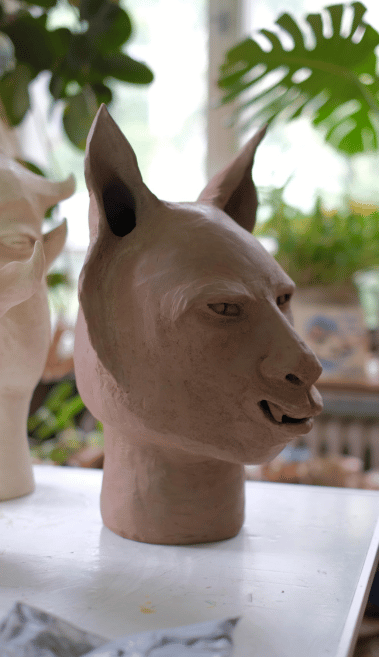
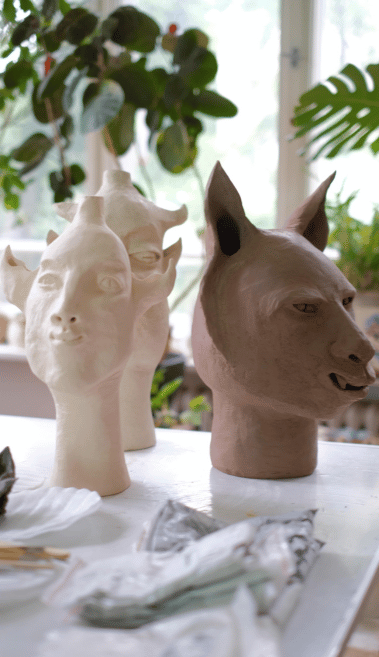
The heads of Sudiczki become Totems of Ancient Slavic Spirits, attempting to establish a quiet dialogue with the present. They are a form of communication with our ancestors. Encased within these clay heads are our conversations with deities connected to the forest and water, and all their dialogues ultimately lead to the realization of the infinite dimensions contained within nature.
For the ancient Slavs, the canopies of thousand-year-old oaks were like the dome of Santa Maria del Fiore. In the forests they perceived transcendent figures, woven from the everyday sight of the rising sun and the moon, and from the changes carried by winds, storms, and rains.
These natural phenomena were, to them, proof of the workings of gods, demons, and guardians bound into the forces of nature—within what they regarded as their forest cathedral.
My grandmother told me bizarre tales about how mysterious creatures hide in the forest, among the branches. When I would fall asleep,as I drifted off to sleep, I noticed silent shadows gliding through my grandfather's orchard, figures emerging from behind the trees. They watched me from beyond the windowpane, their smiles forming enchanted circles, guarding over how a city dweller reconnects with their primal roots.
Protoslavic beliefs became a snapshot bringing memories about past world of Sudiczki
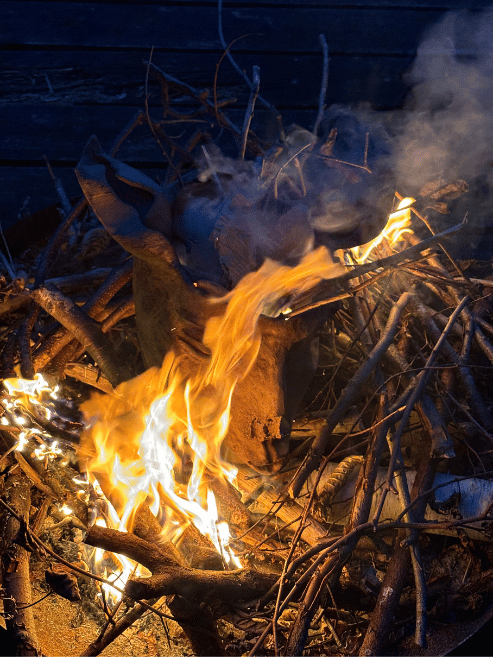
Calling the clay vessels “činiti” - which translated into today’s modern language means “to do, to make, to enchant” - Slavs caused the clay formed hundreds years later by artists creating spiritual functional art, to come alive. Centuries later, this clay, shaped by artists creating spiritual, functional art, began to come alive in its calling to "create." To create care for human destiny in a modern world where people lose the ability to be present in nature, to interact with it, and to observe it. The atoms of clay, extracted from the earth and molded into the heads, remain imbued with the emotions and beliefs of the ancient Slavs, who infused their crafted objects with wonder and admiration for the forces of nature.